October 18, 2026

75th Anniversary
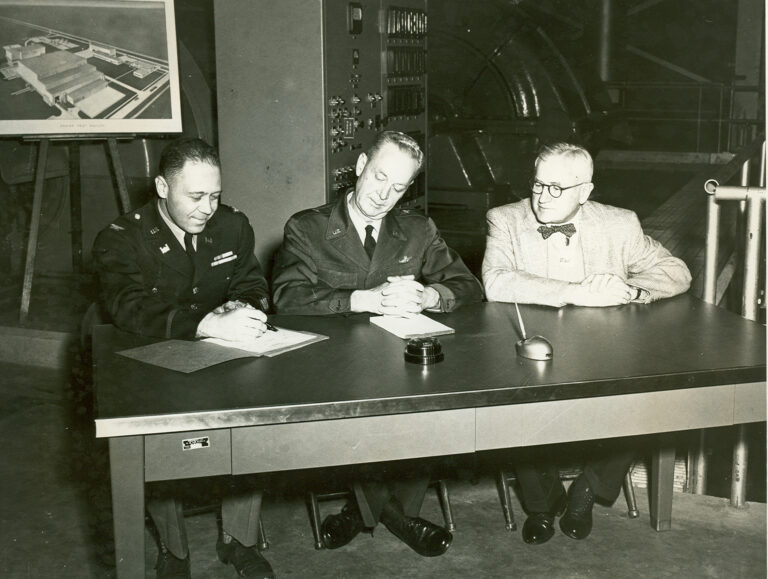
AEDC at 75: Air Force turns over compressor facility
BRAD HICKS AEDC Contributor The reins of the largest single Arnold Engineering Development Center unit completed up to that point were handed to the Center’s… Login to continue reading Login…
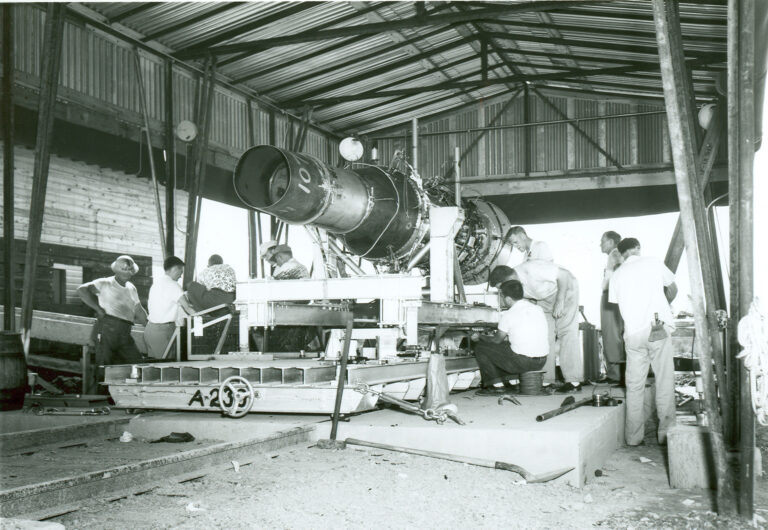
AEDC at 75: The first engine test that confirmed AEDC’s mission
DIAMOND BROWN AEDC Contributor When a General Electric J-47 turbojet engine thundered to life inside Arnold Engineering Development Center’s Engine Test Facility on May 3,… Login to continue reading Login…
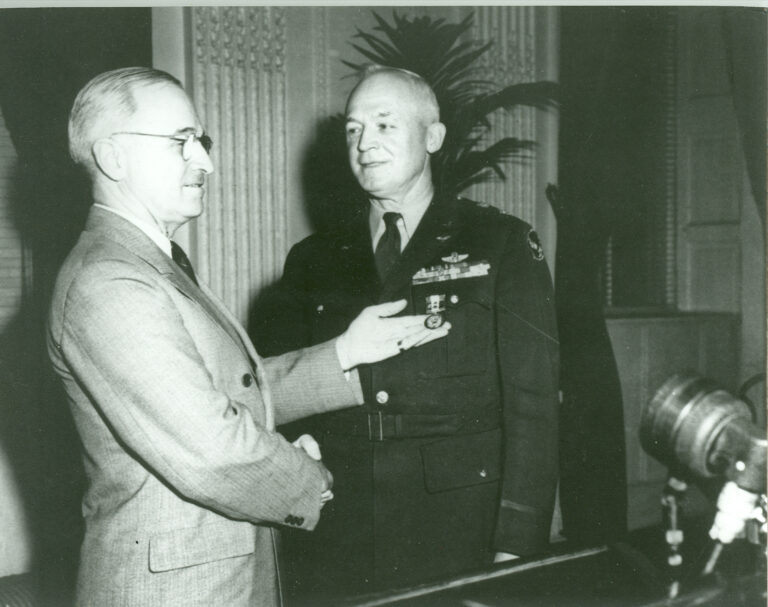
AEDC at 75: Arnold’s Vision Behind the Complex
DIAMOND BROWN AEDC Contributor As Arnold Engineering Development Complex celebrates 75 years of advancing aerospace innovation and national defense, it also honors the pioneering leader… Login to continue reading Login…
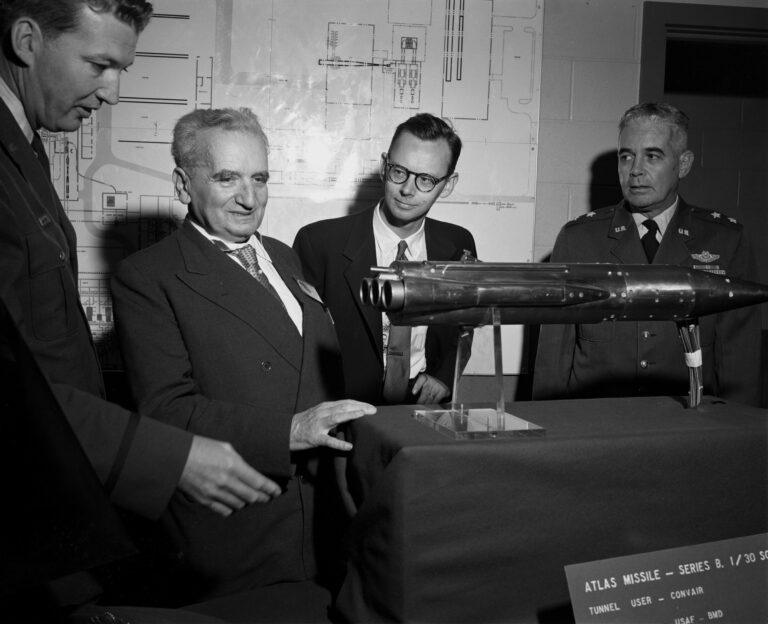
AEDC at 75: Von Kármán leads Air Force toward new horizons
DIAMOND BROWN AEDC Contributor When asked, “What is the future of air power and aerial warfare?” Theodore von Kármán not only rose to the occasion… Login to continue reading Login…
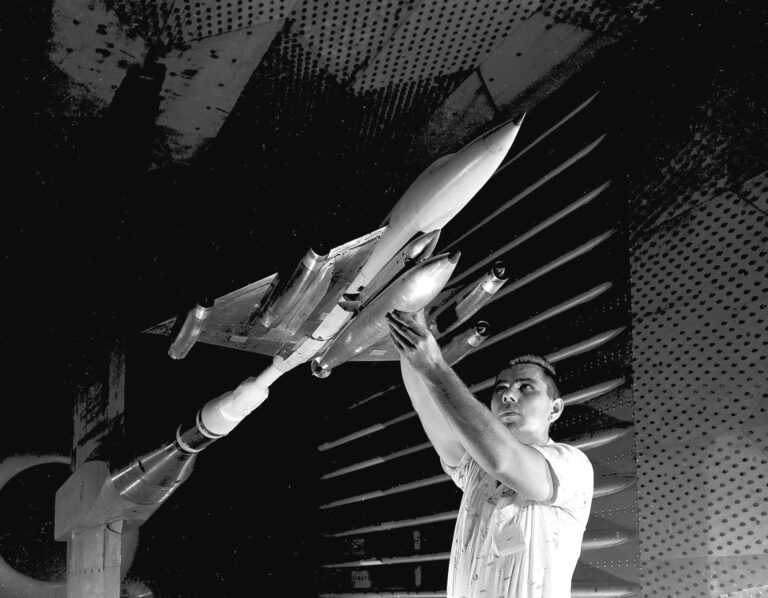
AEDC at 75: Test facility development proceeds
BRAD HICKS AEDC Contributor Following the June 1951 dedication of the Arnold Engineering Development Center, construction on three major test facilities continued. At different points… Login to continue reading Login…
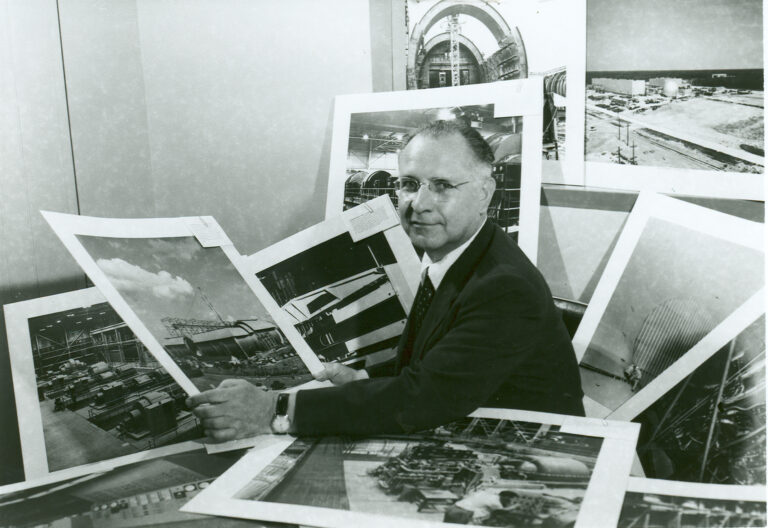
AEDC at 75: Wattendorf recommendation leads to AEDC creation
BRAD HICKS AEDC Contributor Frank Wattendorf wanted to pass the time. During a lengthy flight from Europe to the U.S., the American scientist reflected on… Login to continue reading Login…
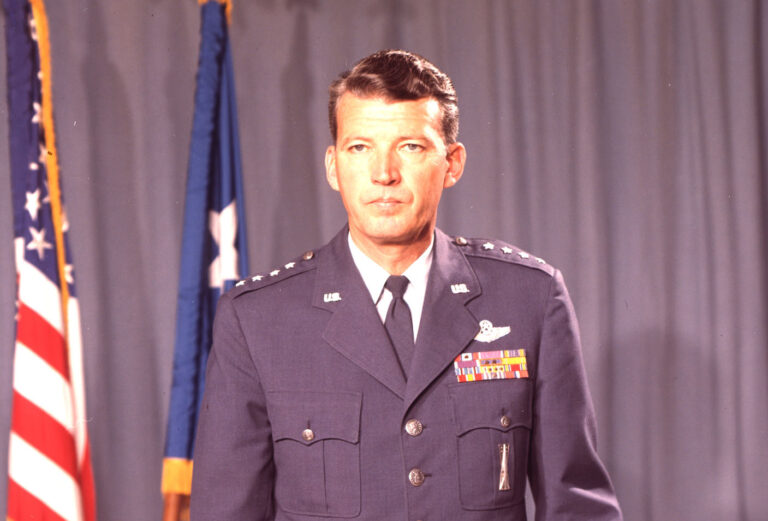
AEDC at 75: Schriever champions Air Force research and development
BRAD HICKS AEDC Contributor Gen. Bernard A. Schriever frequently visited Arnold Engineering Development Center during its early years. As such, Schriever, referred to in the… Login to continue reading Login…
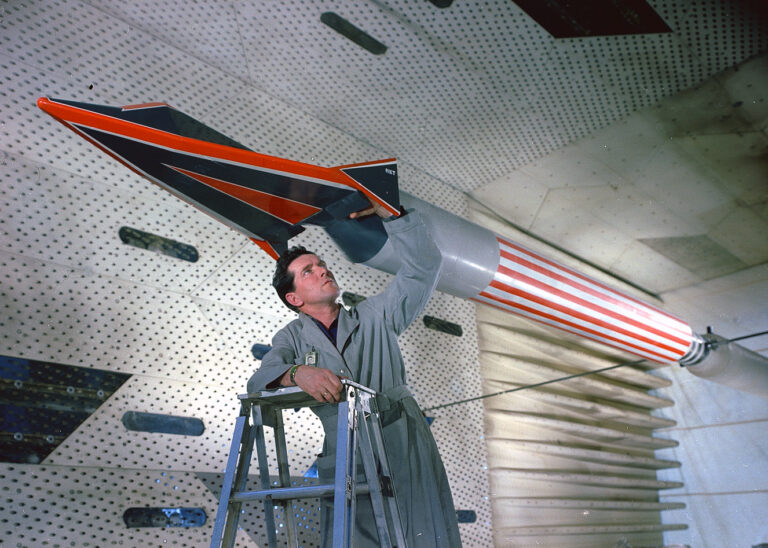
Honoring AEDC’s legacy by preparing for its future
As Arnold Engineering Development Complex celebrates 75 years of service to our nation, it is fitting to look back with pride. The anniversary honors the extraordinary people, facilities, and achievements that have made AEDC a cornerstone of American aerospace and defense.
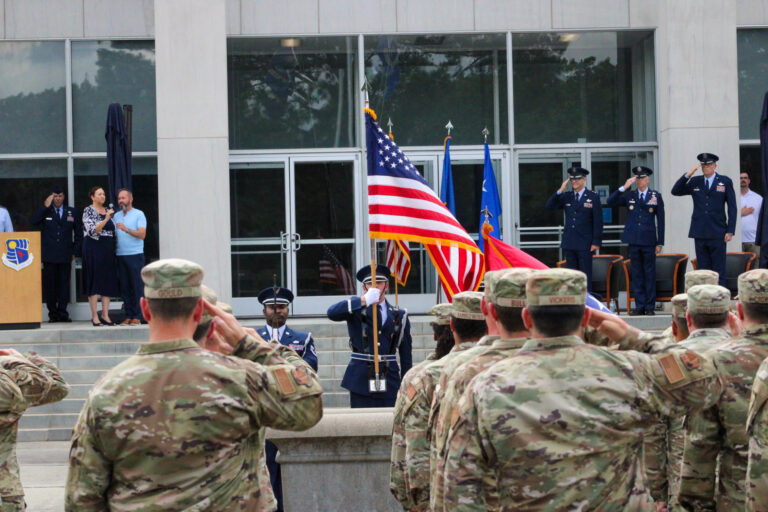
AEDC celebrates 75th anniversary with open house
This past weekend, the Arnold Engineering Development Complex celebrated its 75th anniversary with an open house. Residents and civilians had a unique opportunity to enter Arnold Air Force Base and…
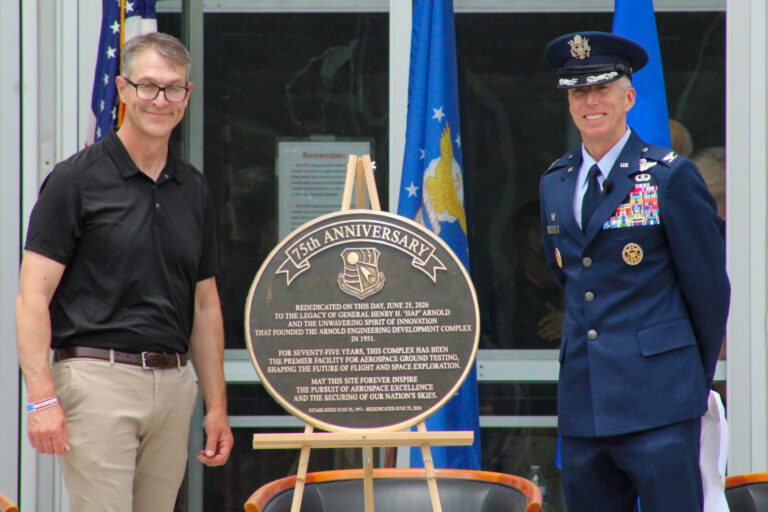
AEDC rededicated for 75th anniversary
As part of the celebration of its 75th anniversary, the Arnold Engineering Development Complex was rededicated as part of its open house event on Saturday,… Login to continue reading Login…