October 4, 2026

Flocking together – City tackles plate reader issue
With the controversy over the use of flock cameras at the forefront pitting invasion of privacy against community safety, outgoing Alderman Kurt Glick suggested the future board of mayor and aldermen take action when it comes to use of license plate readers during his final meeting as a member of the board.
Glick pointed out the Tullahoma Board of Mayor and Alderman had voted on an item “a few years ago” to allow the city to put license plate readers in.
“We put in that resolution that the staff would bring back an ordinance that would govern the use of those cameras,” Glick said. “And it would lay out all the rules about how that data was collected, how it was used and how long it was retained.”
Glick pointed out the resolution was never brought up by staff. However, Glick, who was in his last meeting as alderman, suggested the license plate reader issue be revisited and an ordinance but drawn governing their use.
“I think it’s very critical, especially with the reports I’ve been seeing lately,” he noted. “It’s a national issue that’s brought close to home.”
By definition Flock cameras are a specific brand of Automated License Plate Readers (ALPR). All Flock cameras are license plate readers, but not all license plate readers are Flock cameras.
License Plate Readers (ALPR/ LPR) is the general technology.
Any camera system—whether made by Motorola, Axon, or another manufacturer—that automatically captures images of license plates and turns them into searchable text data is an ALPR.
Flock Cameras refer to the hardware and software made by Flock Safety, a major private surveillance company. Because Flock systems have become so common across neighborhoods, businesses, and police departments, people often use “Flock camera” as a general nickname for any plate-reading camera.
According to the DeFlock site which charts the location of license plate readers, Tullahoma and Manchester are both home to several license plate readers. Flock Safety does not give out the exact location of its cameras; however, the company revealed it has nearly 100,000 cameras in place in 6,000 communities across 49 states.
Proponents say cameras help law enforcement solve crimes in cases of amber alerts or help nab dangerous criminals but critics say they violate the public’s right to privacy by providing warrantless surveillance of common citizens.
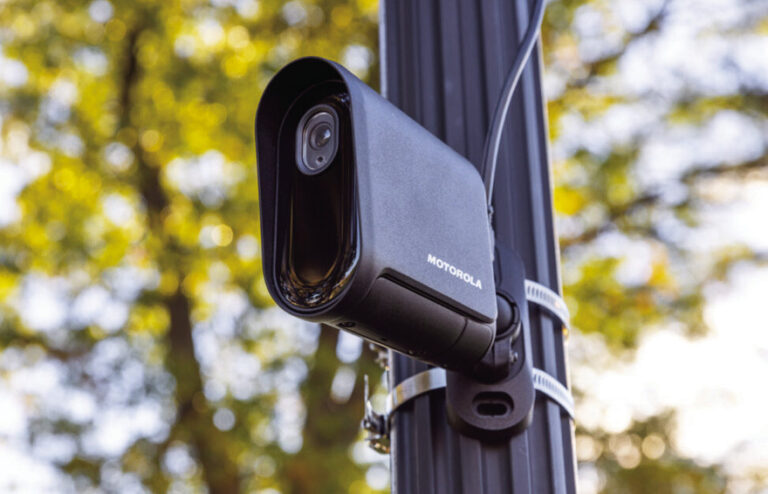
According to a city of Tullahoma spokesman, the city does use the Motorola Vigilant camera system but they do no use the Flock Camera system. The installation of the cameras was approved by the board of mayor and aldermen in a vote on Feb. 12, 2024.
The agenda item which passed read: “After a very extensive process, The Tullahoma Police Department was awarded $200,945 through the Violent Crimes Initiative Fund Grant. One of the purchases from that grant included ALPR’s (Automated License Plate Readers). The ALPR system will be placed on 4 state rights-of-way’s entrances to the City of Tullahoma. These locations include N Jackson St, S Jacksons St, Wilson Ave, and Hwy 55. The ALPR system is used to locate missing persons, wanted persons, stolen vehicles, and persons of interest in a criminal investigation. The ALPR system only reports on information put into the system by an approved agency.”
The motion to approve the license plate readers passed 5-2 with Glick and Bobbie Wilson being the two aldermen to vote against it. At the time of the passage, Police Chief Chase Sons explained that there are strict guidelines on who can access the system and put information into the system (such as a license plate of a fugitive or Amber Alert), that being two persons at the time of the passage.
The chief explained he supported the cameras when it came to public safety, using the illustration of an abducted child. “This could be the difference between us catching that child coming through our city or that child going off somewhere and being harmed. The good outweighs the bad in this system.”
Then Mayor Ray Knowis maintained that the good did outweigh the bad in license plate cameras. “If we find one child that has been abducted then I think that outweighs the bad,” he said in pledging his vote for the cameras.
“I think this is a slow erosion of our rights and our liberties,” Glick said at the 2024 meeting, saying his vote could be swayed if he saw a detailed, restrictive ordinance. “I’ve never laid down at night and thought ‘I want more Big Brother in my life’. This is a move in that direction and I don’t think we should go there.”